Burna Boy: A Breakthrough Year Shaken, Not Derailed
By: Viktorija Woo

For many artists, 2025 was a defining year but few dominated the global conversation like Burna Boy. His U.S. tour was selling out, critics were praising the showmanship, and fans were celebrating the evolution of a performer who has consistently pushed Afrobeats into new territories. Then momentum shifted. A now viral incident captured him halting a show, calling out a man whose girlfriend appeared to be asleep, telling him to “take his girl home,” and refusing to continue until they left.
It was, undeniably, a misstep, one that struck audiences as careless and disrespectful. In an era where intimacy between artist and audience is currency, Burna Boy’s dismissal felt jarringly out of step. The backlash was swift, overshadowing what had otherwise been a triumphant run of performances.
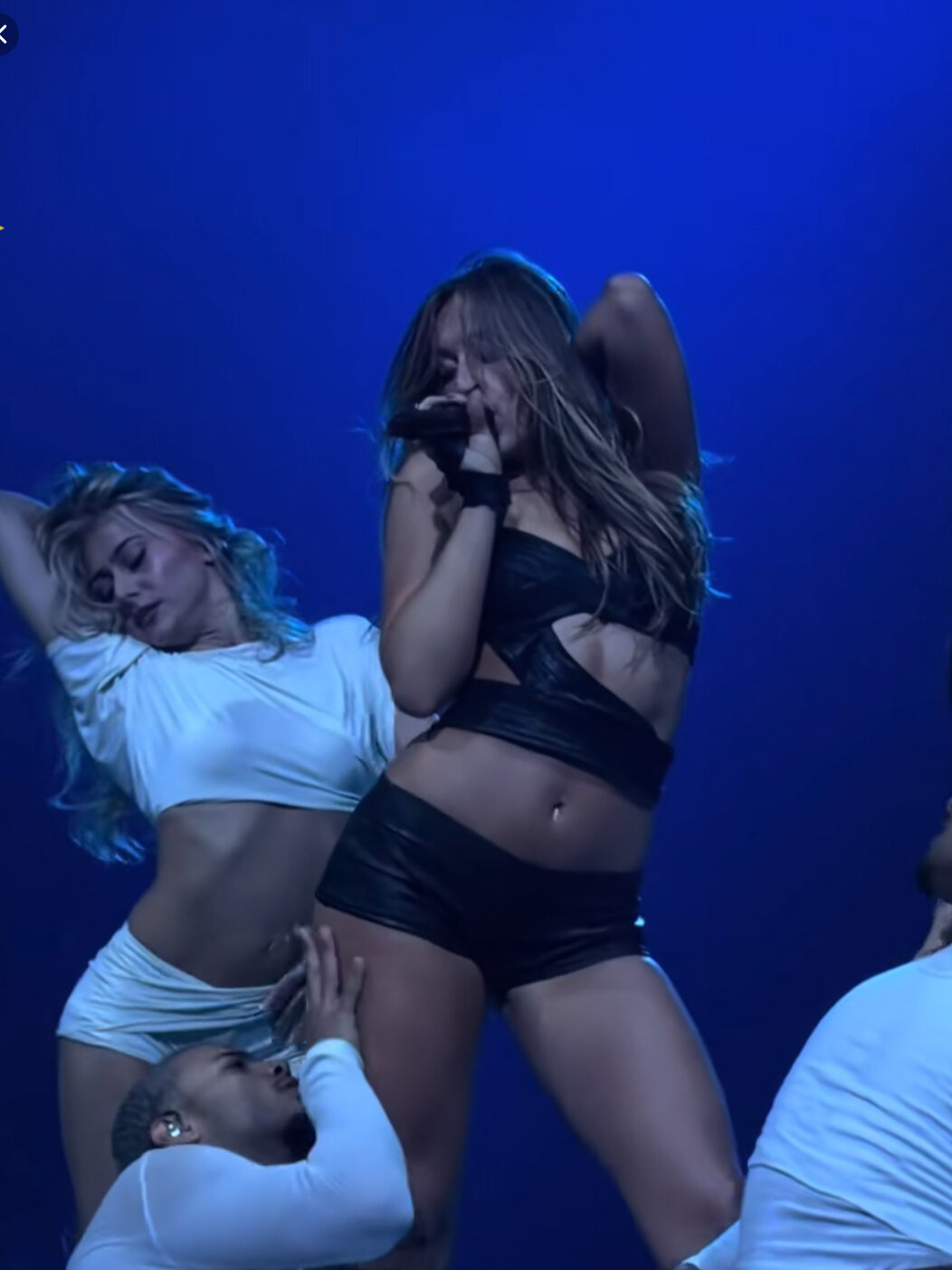
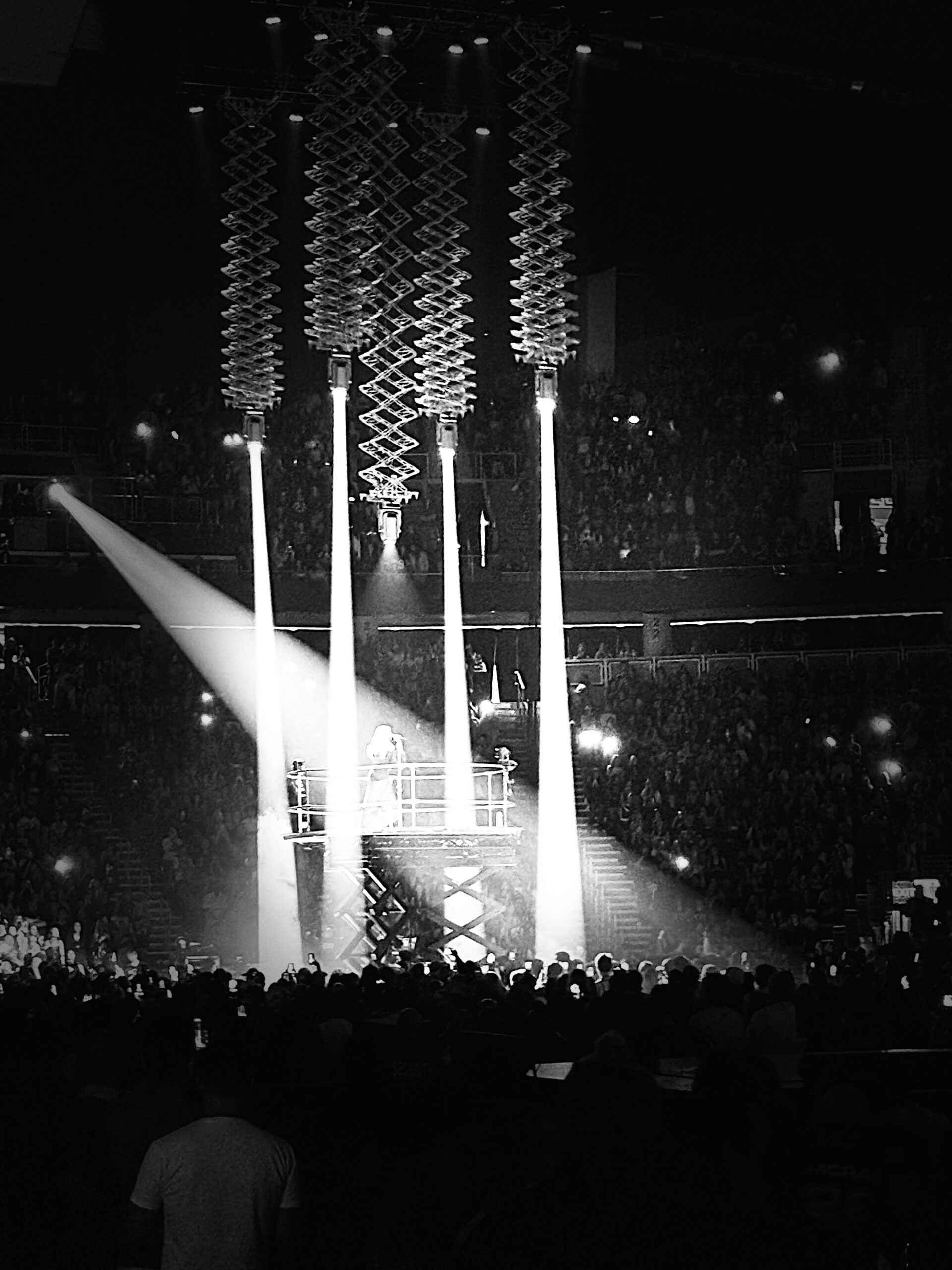
Seattle told a different story. The venue was a furnace of sound: bass rattling rafters, neon slicing through haze, sweat slicking the crowd as every lyric was screamed back with the urgency of a movement rather than a concert. Burna Boy strode across the stage like a general surveying his army, arms outstretched, commanding chaos into choreography. Gratitude radiated in flashes, a grin here, a bow there, but mostly it was fire: a performer at the peak of his powers, bending a room of thousands to his rhythm.
Controversy aside, this tour marks a major achievement. You can see the work, the discipline, the years of shaping a global sound finally crystallizing into crossover superstardom. His rise isn’t just personal, it’s cultural. Soaring global presence and widening the lane for African voices to be heard, booked, and recognized at scale.
If 2025 tested Burna Boy’s grace, it also proved his gravity: an artist too large to be undone by a single stumble. This era is a milestone for Burna Boy. And for what comes next for African music globally.